What the Cyrus Accords are

On 18 September 2025, Gila Gamliel — Israel's Minister of Innovation, Science and Technology — published an op-ed in The Jerusalem Post titled “The Cyrus Accords: The beginning of a new chapter in Israel-Iran relations.” In it she described a prepared framework for peace between Israel and a future, free Iran.
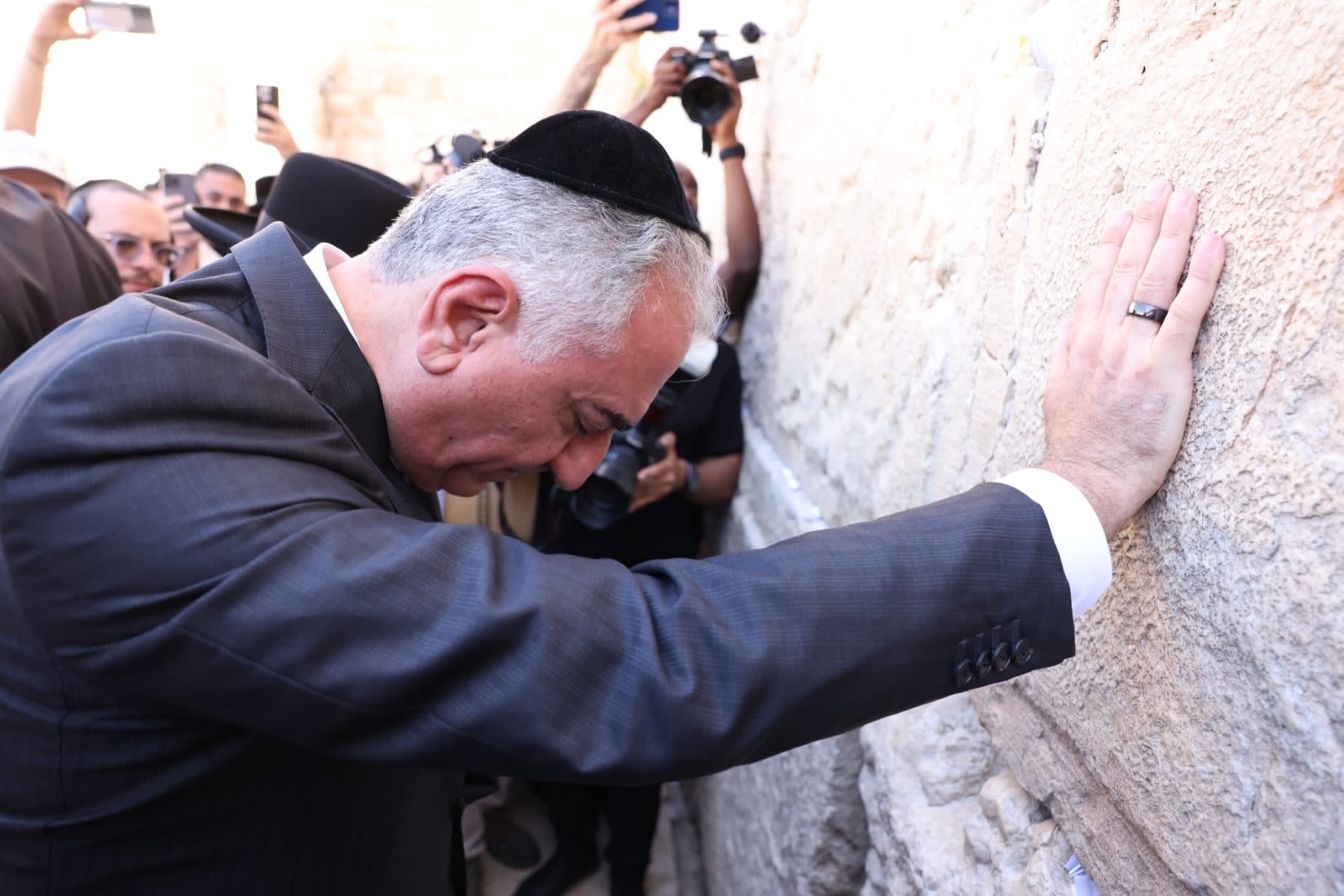
Gamliel wrote that the initiative “is a joint effort of the State of Israel with those seeking to establish a transitional government that will serve the Iranian people on the day after the Islamic regime falls,” and that it “is led by Crown Prince Reza Cyrus Pahlavi, son of Iran's last shah, together with his professional team.” It is not a treaty in force — it is a document written in advance, for a morning that has not yet come.
Gamliel set out five stated principles for the Accords: mutual respect and sovereignty; pragmatism and mutual benefit; shared historical heritage; a regional vision; and a civic, people-first focus rather than a military one.
Nearly a year later, on 10 July 2026, Gamliel announced that she and Pahlavi's team had finished preparing the document and that it was “ready for signing” — expressing hope that Prime Minister Netanyahu would sign it once the Islamic Republic falls. The Accords remain a prepared proposal, contingent on a change of regime in Tehran; they are not signed.