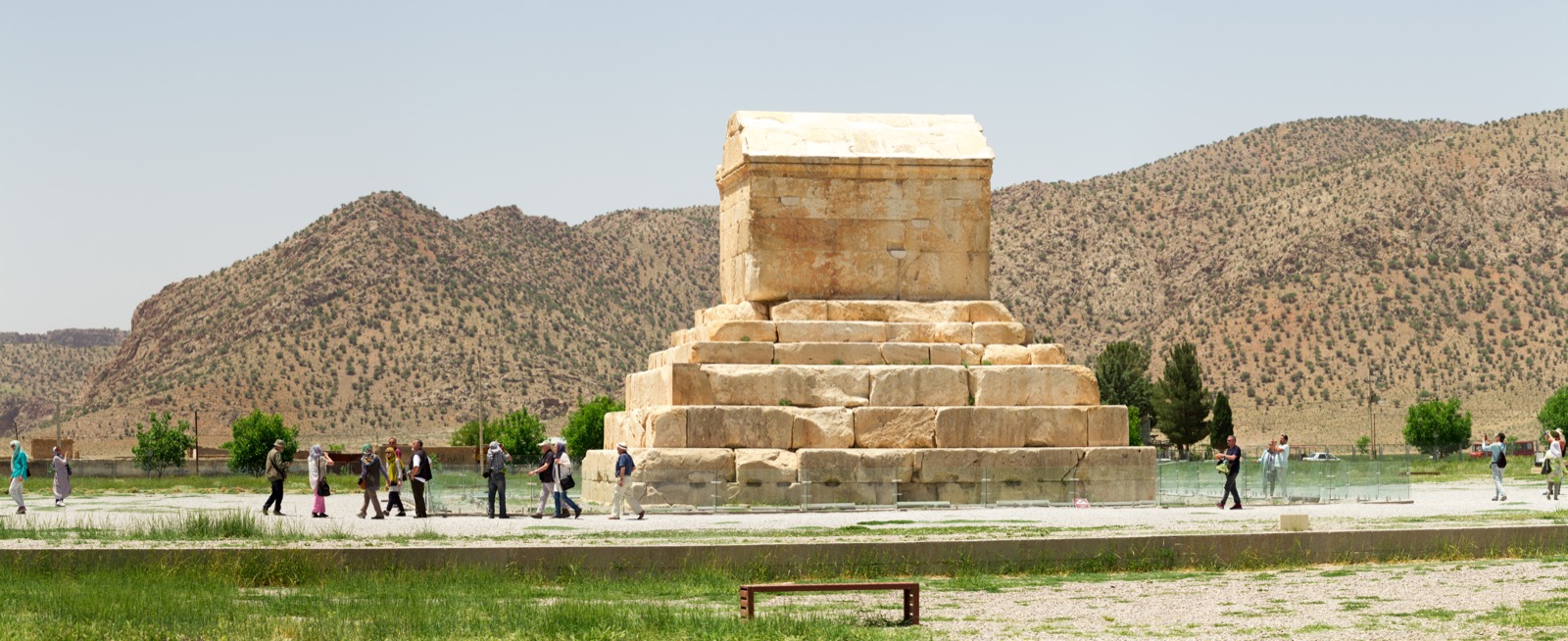
The tomb of Cyrus the Great at Pasargadae under an open sky, the Zagros mountains beyond.
Photo: Amir Ziadloo · CC BY-SA 4.0
Vision

Day One

A scenario for the morning after — the day a free Iran wakes up.

Scene One

The news that is finally certain
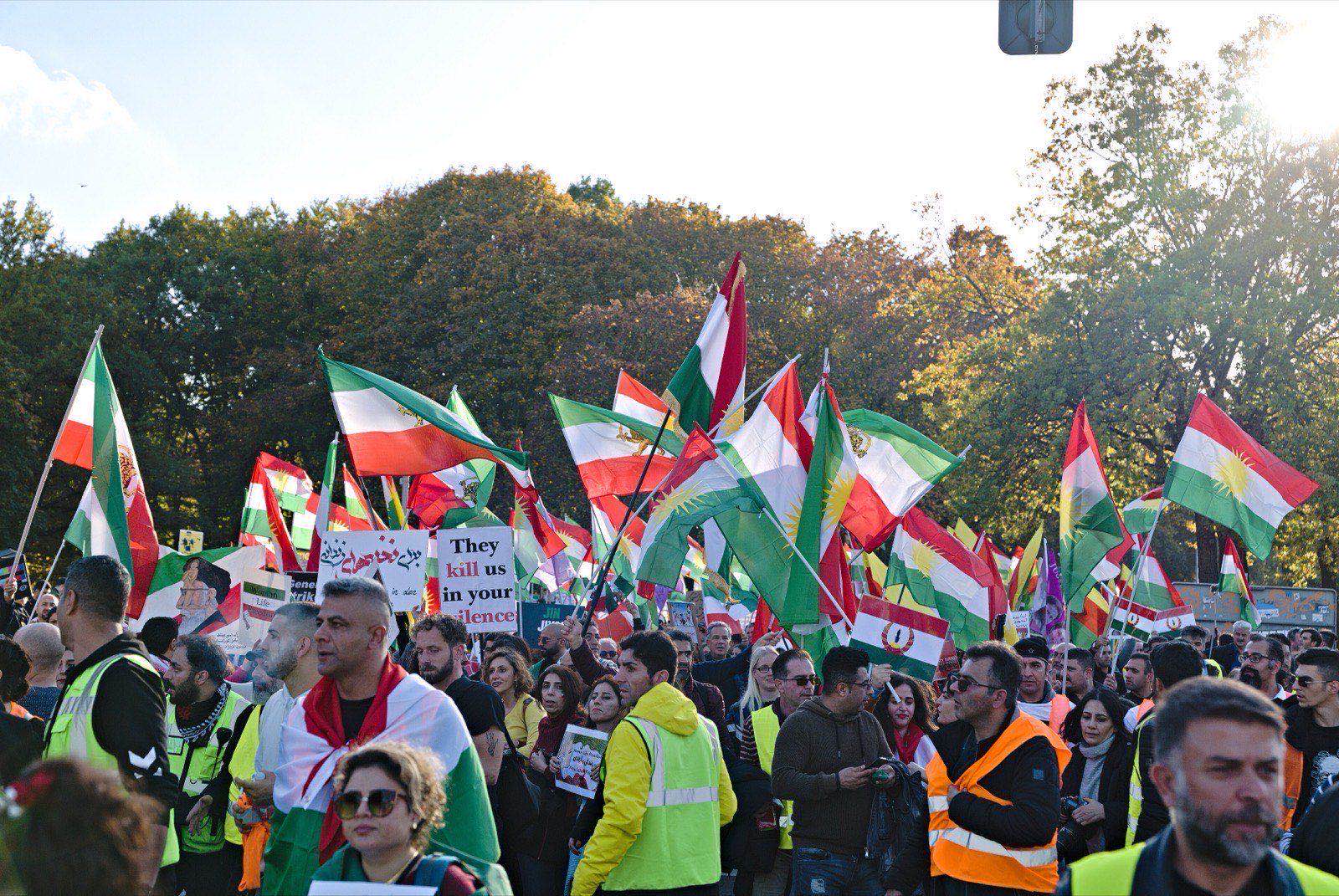
A sea of Lion-and-Sun flags glowing in the evening light at an Iranian solidarity march — Berlin, 2022.

Imagine a morning when the news is no longer a rumor. Phones tremble in people's hands — but this time not from fear. The Islamic Republic has fallen, and Iran, after decades, is breathing.

In the streets an old flag comes out of the drawers — the Lion and the Sun 🦁☀️, folded and hidden for years, opening now under the sun. Someone weeps, someone laughs, and most people do both at once. They carry the names of the javidnaman, those the regime took, into a day the fallen never got to see.

This morning has not come yet. But when it does, it may look much like this — and what follows on this page is one picture of the day after.
Scene Two

The transition steps into daylight

What was only paper for years now works. Three institutions proposed by Prince Reza Pahlavi and the Iran Prosperity Project step out of a booklet and stand up: the Transitional Mehestan to legislate, the Transitional Government to run daily affairs, and the Transitional Divan to judge.

No one is meant to stay forever. This is a short window — a 180-day Emergency Phase — for the country to find its feet before the ballot box decides. Reza Pahlavi is not a king here but the leader of the transition: the one who opens the door and steps aside.

This is no sketch drawn from nothing. Prince Reza Pahlavi and the Iran Prosperity Project — unveiled in Washington in April 2025 — set out these three institutions and the 180-day window in a plan anyone can read. It has already begun to take shape: in March 2026 he named a transitional-justice committee, led by Nobel Peace laureate Shirin Ebadi, to prepare the special court and truth commission the plan envisions.

Scene Three

The first free vote

Less than a few months later, people go to the ballot box — not to rubber-stamp someone chosen for them, but to choose the shape of their country: a parliamentary monarchy or a republic. Both roads, by the same plan, are secular and grounded in the rule of law.

An old woman whose free vote had never once been counted inks her finger and looks at it for a long time. This time, it will be counted.

In the plan Pahlavi's team published, that choice comes within the transition's first four months, and the whole passage is meant to last no more than eighteen to twenty-four.

Scene Four

A debt that runs both ways

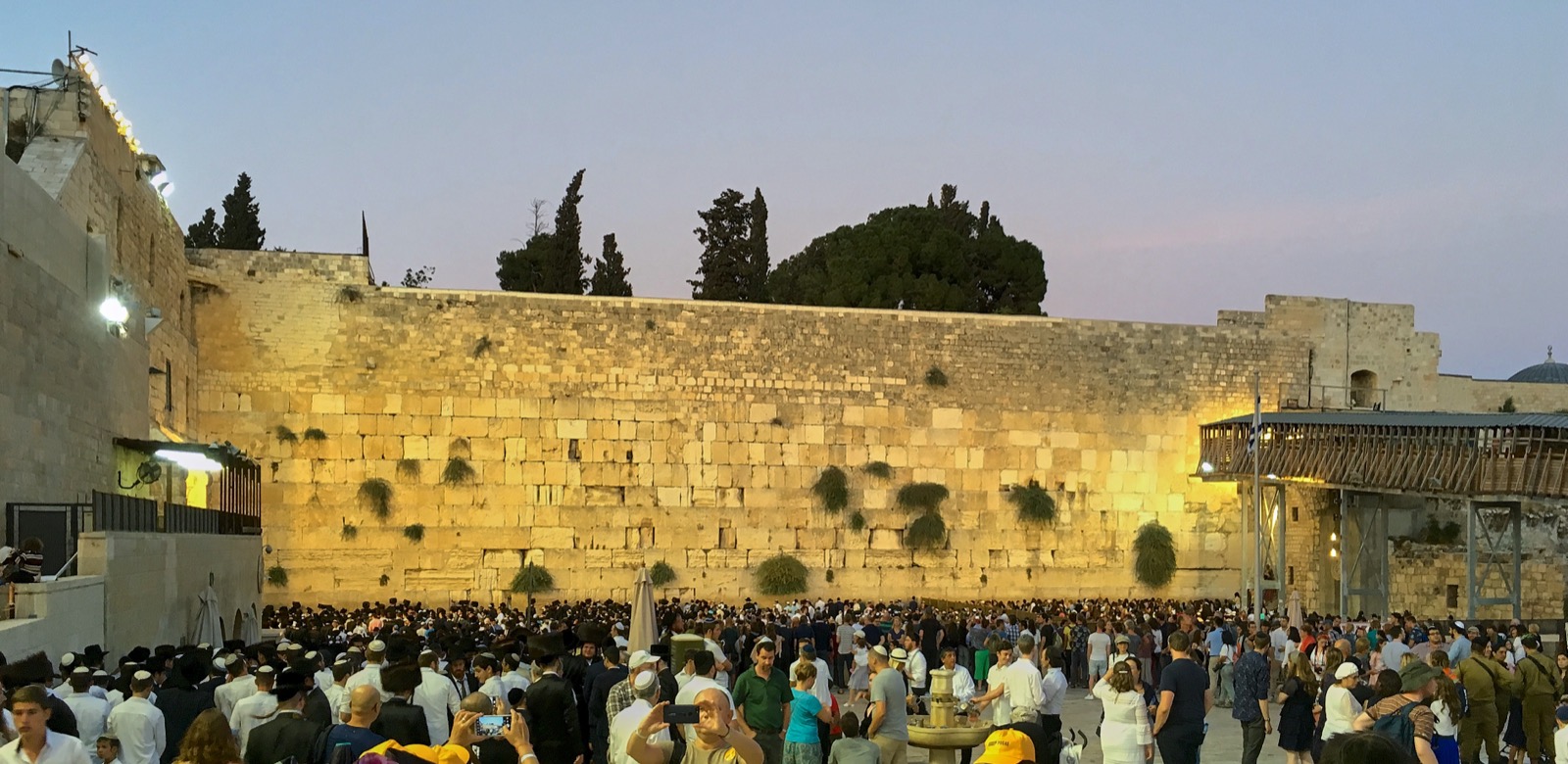
The Western Wall plaza in Jerusalem on a Friday evening — where Reza Pahlavi prayed in April 2023.
Photo: Vyacheslav Bukharov · CC BY-SA 4.0

Twenty-five centuries ago, Cyrus freed the Jews from Babylon and opened the road back to Jerusalem. Now, on this morning, the debt returns the other way: a neighbor who never forgot has been waiting.

Embassies reopen. This is not one nation rescuing another; it is two ancient neighbors turning to face each other as equals. We call this opening پیمان کوروش — the Cyrus Accords — the completion of what Cyrus began.

The seed of this morning was planted long before it: in April 2023, Prince Reza Pahlavi went to Jerusalem, prayed at the Western Wall, and stood in silence at Yad Vashem.

Scene Five

The first flight

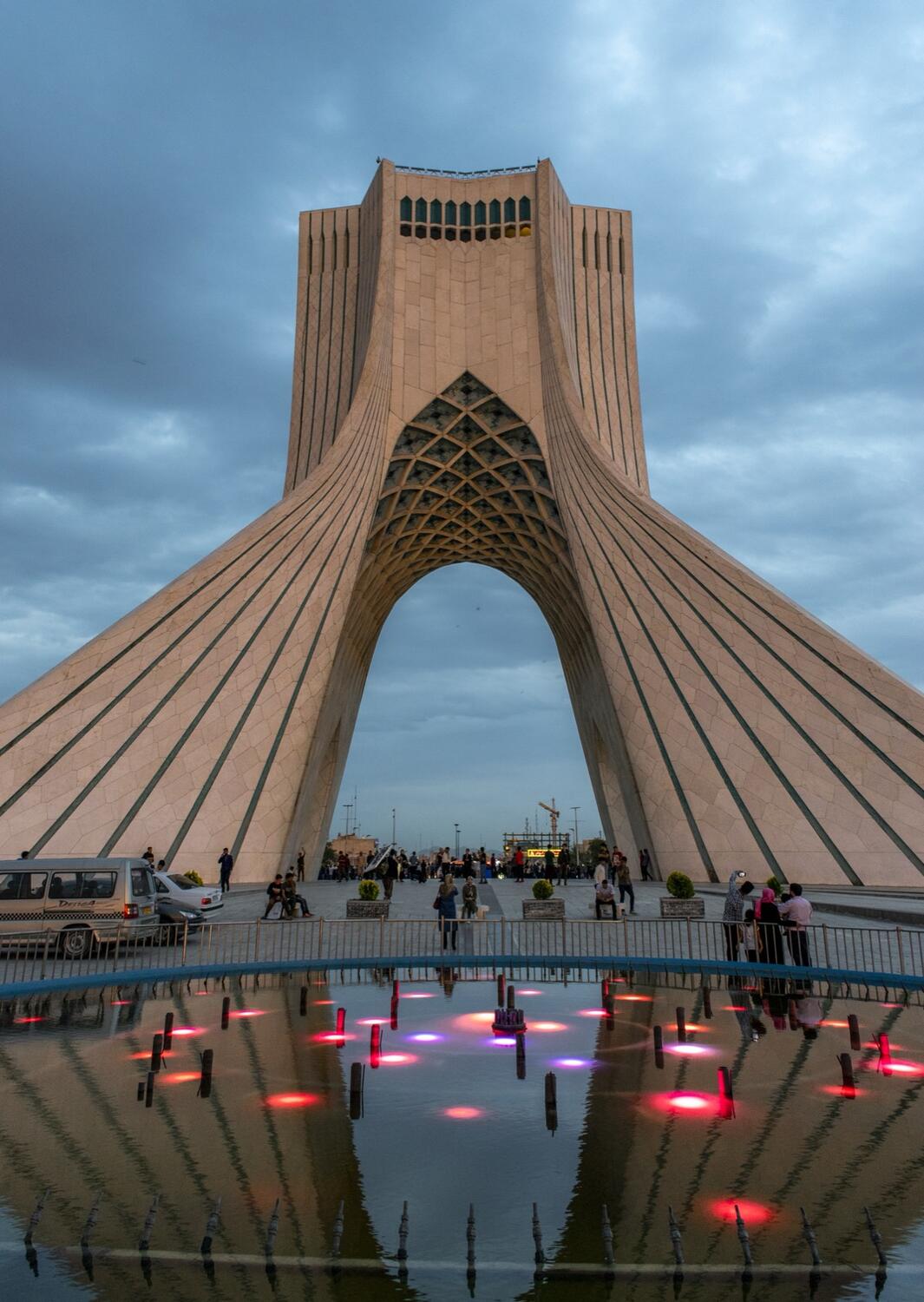
Azadi Tower in Tehran lit at dusk, people gathered by the illuminated fountain in the plaza.
Photo: Bahador Hayzadeh · CC BY-SA 4.0

A plane lifts off from Tel Aviv toward Tehran — a route that for decades appeared on no departures board. Among the passengers sits an old man who left Isfahan fifty years ago and is now taking his granddaughter to see the family house.

In Tehran a family waits with sweets and flowers. The languages differ, but the hands are the same. Someone says hello in Persian and someone in Hebrew, and both understand.

This flight has not taken off yet. But Tel Aviv to Tehran is under three hours in the air — far closer than politics pretended for so long.

Scene Six

Lake Urmia drinks again

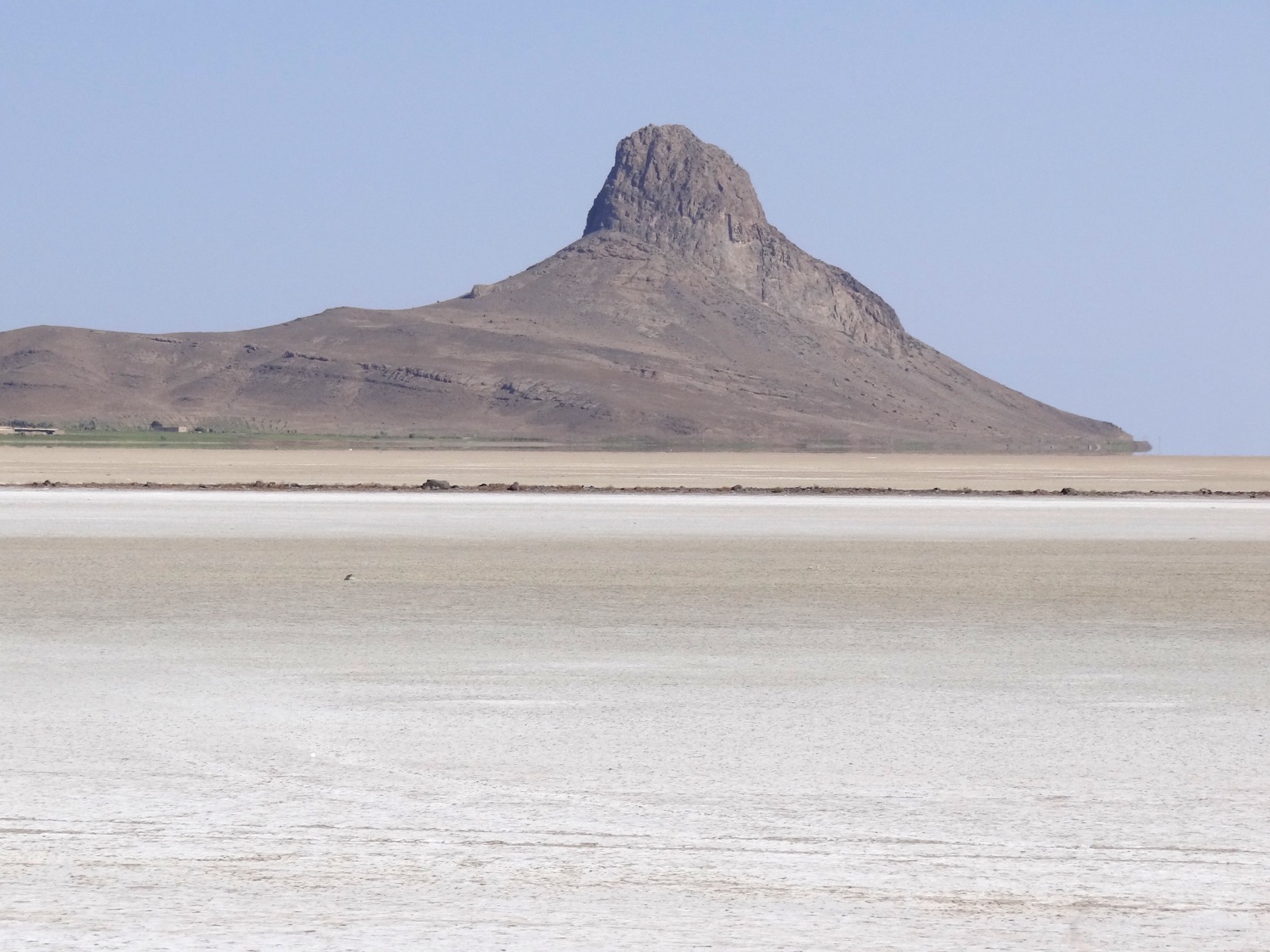
White salt flats covering the dried lakebed of Lake Urmia — the wound the regime left behind.
Photo: Adam Jones · CC BY-SA 2.0

Lake Urmia, once nearly six thousand square kilometers, had fallen in recent years to under six hundred — less than a tenth of itself, a plain of salt. This wound the regime left behind.

Now Iranian engineers are at work; they bring the water back and free the rivers, and a neighbor who taught the driest land to drink stands beside them — not as a savior, but as a partner. Israel recycles more than 85% of its wastewater, the highest rate on earth; it lends the know-how, and Iran puts it to work.

The wound is real, and measured. So is the neighbor who taught the driest land on earth to drink, and could help Urmia drink again.

A future both nations could choose

Only Iranians can free Iran. When they do, an old friend is ready to help rebuild — and a morning like this one becomes possible.