Persian-Jewish Cultural Heritage
Celebrating 2,500 Years of Shared Traditions
From Cyrus the Great's liberation of the Jewish people to the vibrant Persian-Jewish communities of today, explore the rich cultural tapestry that connects two ancient civilizations.
Explore Our HeritageFrom Cyrus's Edict to the Shabbat Table
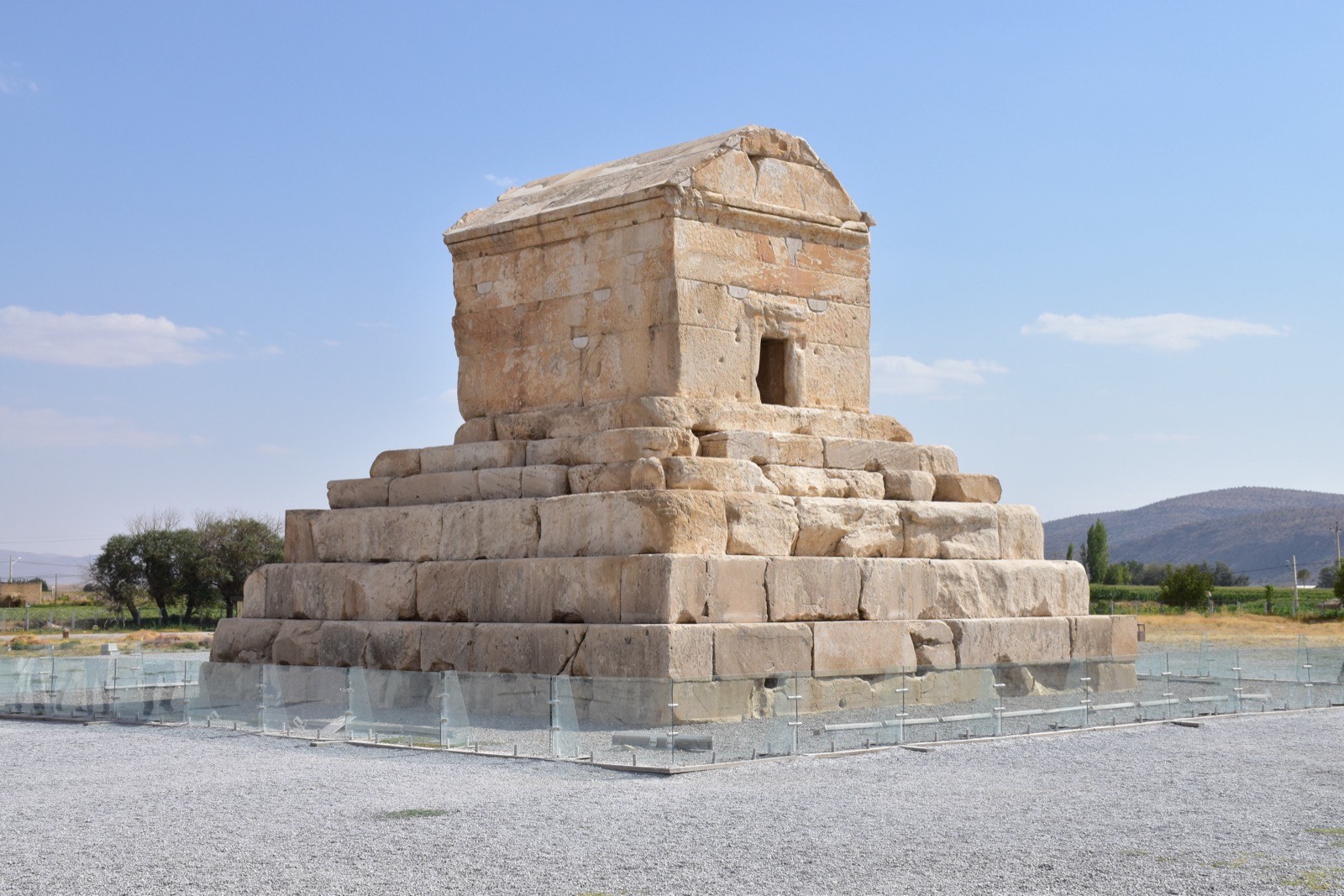
This bond began with a single decision. In 538 BCE, Cyrus the Great ordered the Jewish exiles freed from Babylon and sent home to Jerusalem to rebuild their Temple. Iran was the first liberator — and that was the opening of more than two and a half thousand years of neighbourhood, trade, and shared making.
The heritage of that bond never went into a museum. It lives in the Tomb of Esther and Mordechai in Hamadan, in the Judeo-Persian verse of Shahin Shirazi, in the cardamom and rosewater of a Shabbat challah, and in the pot of gondi that simmers in Iranian-Jewish homes every Friday night.
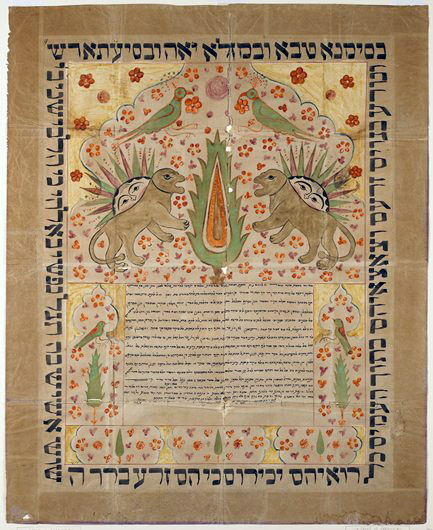
Shared Heritage
The historical bond of two civilizations — from Cyrus's liberation of the Jews to today.
- Cyrus the Great's edict to return and rebuild the Temple (538 BCE)
- The Tomb of Esther & Mordechai in Hamadan, a pilgrimage site for Iran's Jews
- A continuous Jewish presence in Iran, from the Achaemenid age to the present
A bond sealed in antiquity and never broken.
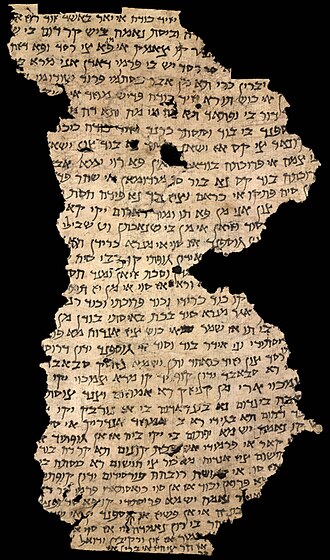
Language & Literature
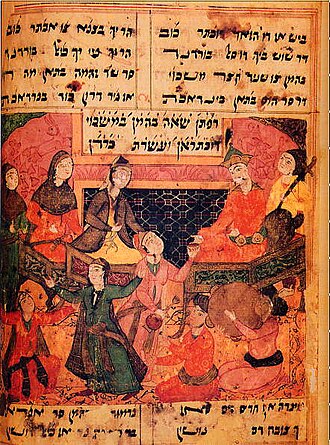
Literary traditions that bridged Persian and Hebrew.
- Biblical epics in Persian verse, composed by Shahin Shirazi
- Persian words that made a home in Hebrew: pardes, dat, gizbar
- The story of Esther in the court of Shushan
Words that crossed borders.
Two Living Signs
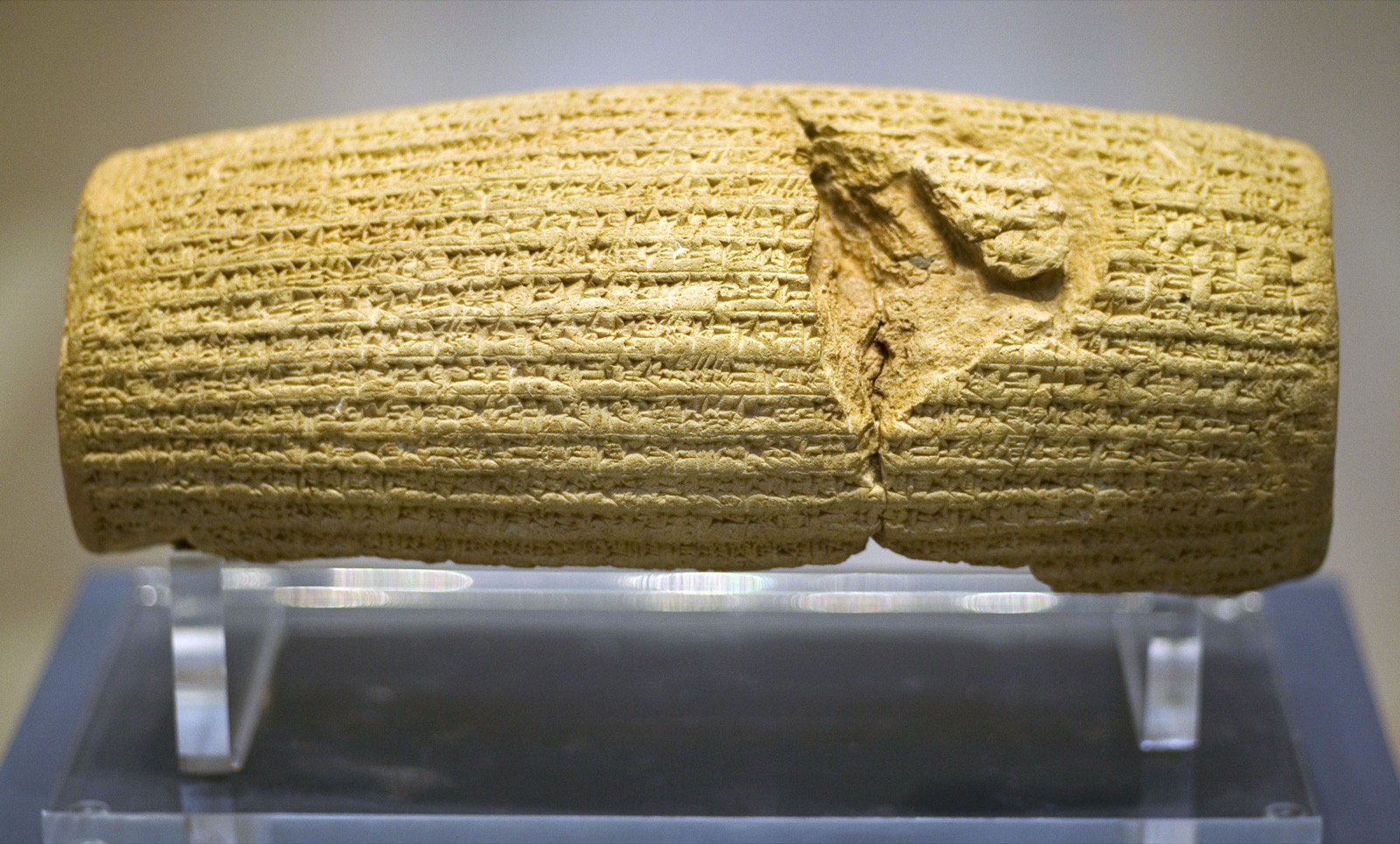
The Cyrus Legacy
How Cyrus the Great's liberation of the Jewish people forged a bond 2,500 years old.
Thus says Cyrus king of Persia: The LORD, the God of heaven, has given me all the kingdoms of the earth, and he has charged me to build him a house at Jerusalem.
— Book of Ezra, ch. 1
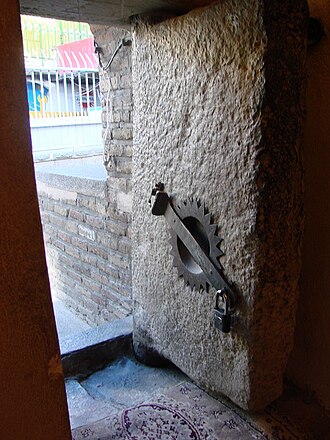
Esther's City
In Hamadan, the Tomb of Esther and Mordechai has been a pilgrimage site for Iran's Jews for centuries — its doorway so low that every visitor must bow to enter.
Explore Cultural Connections
Go deeper into the specific threads of Persian-Jewish heritage


From the Abraham Accords to the Cyrus Accords
The Abraham Accords opened the path to normalization between Israel and its neighbours in 2020. But the friendship of Iran and the Jewish people had begun two and a half thousand years earlier — when Cyrus became the first liberator. The Cyrus Accords complete that same ancient, mutual debt: not a one-sided rescue, but a return to a neighbourhood that history already wrote. This cultural heritage is not decoration; it is the argument — the reason peace between a free Iran and Israel is the natural next step after Abraham.