Two cities in two deserts, both ancient, both thirsty. One had a river that ran for a thousand years and now holds only sand beneath its bridges; the other never had a river at all, and today lifts tomatoes and pomegranates out of dry ground. The difference was not the sky. It was a decision.
Scene one · Isfahan
The River That Died
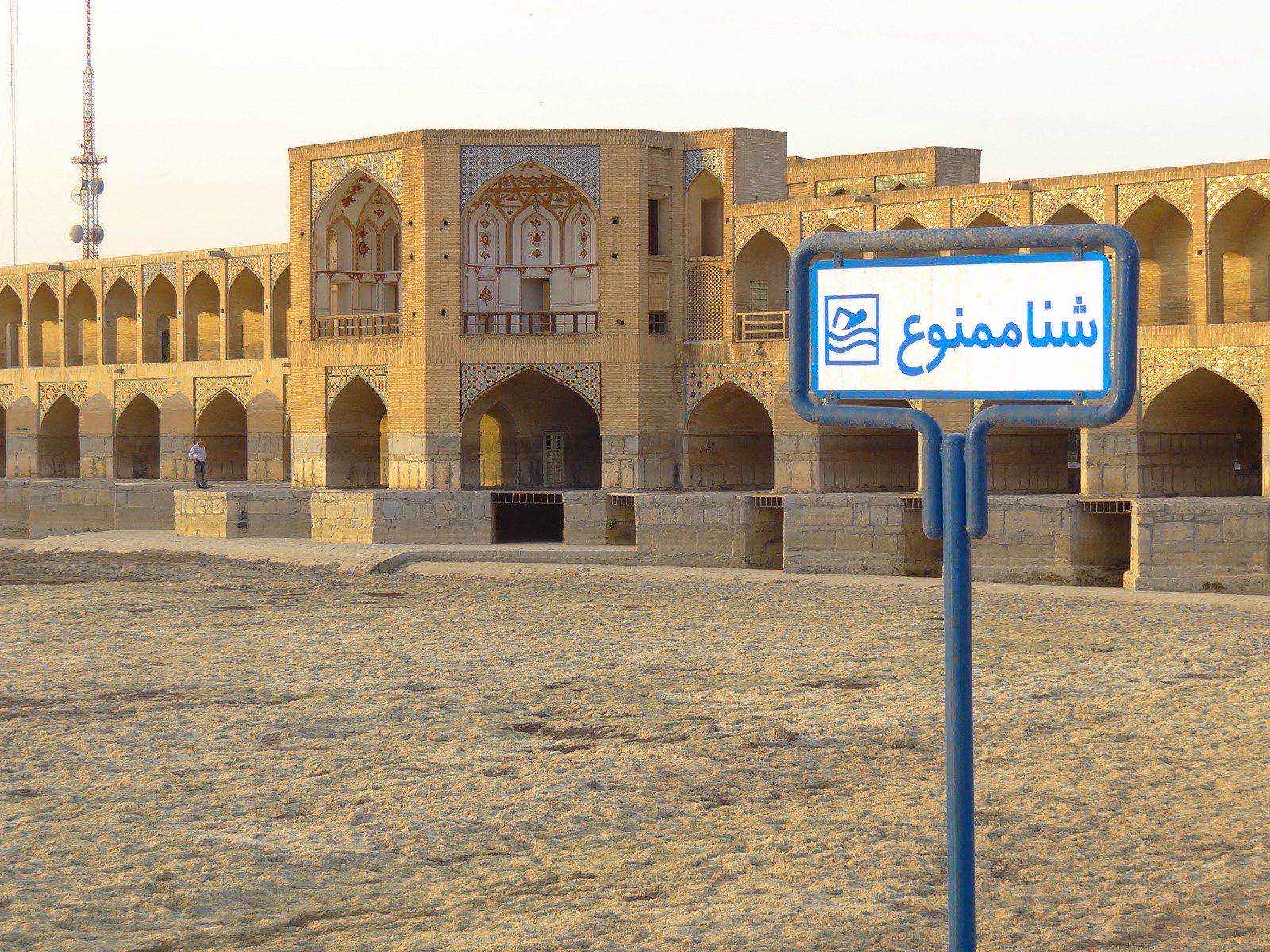
Beneath the arches of Khaju Bridge, where for four hundred years the people of Isfahan stepped down into the water, there is now sand. The Zayandeh-Rud — its name means “life-giver” — is dry for most of the year.
In November 2021, thousands of farmers pitched their tents on the dry riverbed and chanted, “Isfahan is gasping — give us back our Zayandeh-Rud.” According to Al Jazeera, the drying of the river directly threatened the livelihoods of hundreds of thousands of farmers in the province.
The continued drying and the cut in permanent flows have brought land subsidence and the death of Gavkhouni to a point of no return.
This dying was no act of heaven. Decades of unchecked dam-building, diversions to industry and neighbouring provinces, and endless well-drilling brought the river down; drought was only the final blow.
By 2025 it had reached a “point of no return.” The ground beneath the historic city is sinking by up to thirty centimetres a year, cracking its walls; Gavkhouni, the wetland where the river once emptied, has become a source of dust storms.
And Isfahan is not alone. In the northwest, Lake Urmia — once the largest lake in the Middle East — has lost more than 98 percent of its water, and the water crisis in Tehran has grown so severe that the president has spoken of moving the capital.
The Collapse of Lake Urmia
The lake's water fell from 32 billion m³ in 1995 to under half a billion in 2025 — more than 98% of it is gone.
Source: Iran International — 10 Aug 2025
Methodology: The 1995 figure (32 billion m³) and the 2025 figure (~0.5 billion m³, 581 km² surface area on 1 Aug 2025) were stated by Ahmadreza Lahijanzadeh, deputy for marine and wetland affairs at Iran's Department of Environment, via Iran International (10 Aug 2025). The 2024 value (~1.6 billion m³) is approximate, derived from Iran International's 18 Sep 2024 report that the lake had lost ~95% of its volume. The x-axis marks reported milestone years, not linear time.
Scene two · The Negev
The River They Built
A thousand kilometres away, in the Negev, there is no rain worth waiting for. And yet this driest corner of Israel is green.
In 1965, on Kibbutz Hatzerim, an engineer named Simcha Blass signed a contract with the farmers there. Years earlier he had noticed a tree thriving with no water in sight — fed, drop by drop, from a cracked pipe reaching its roots.
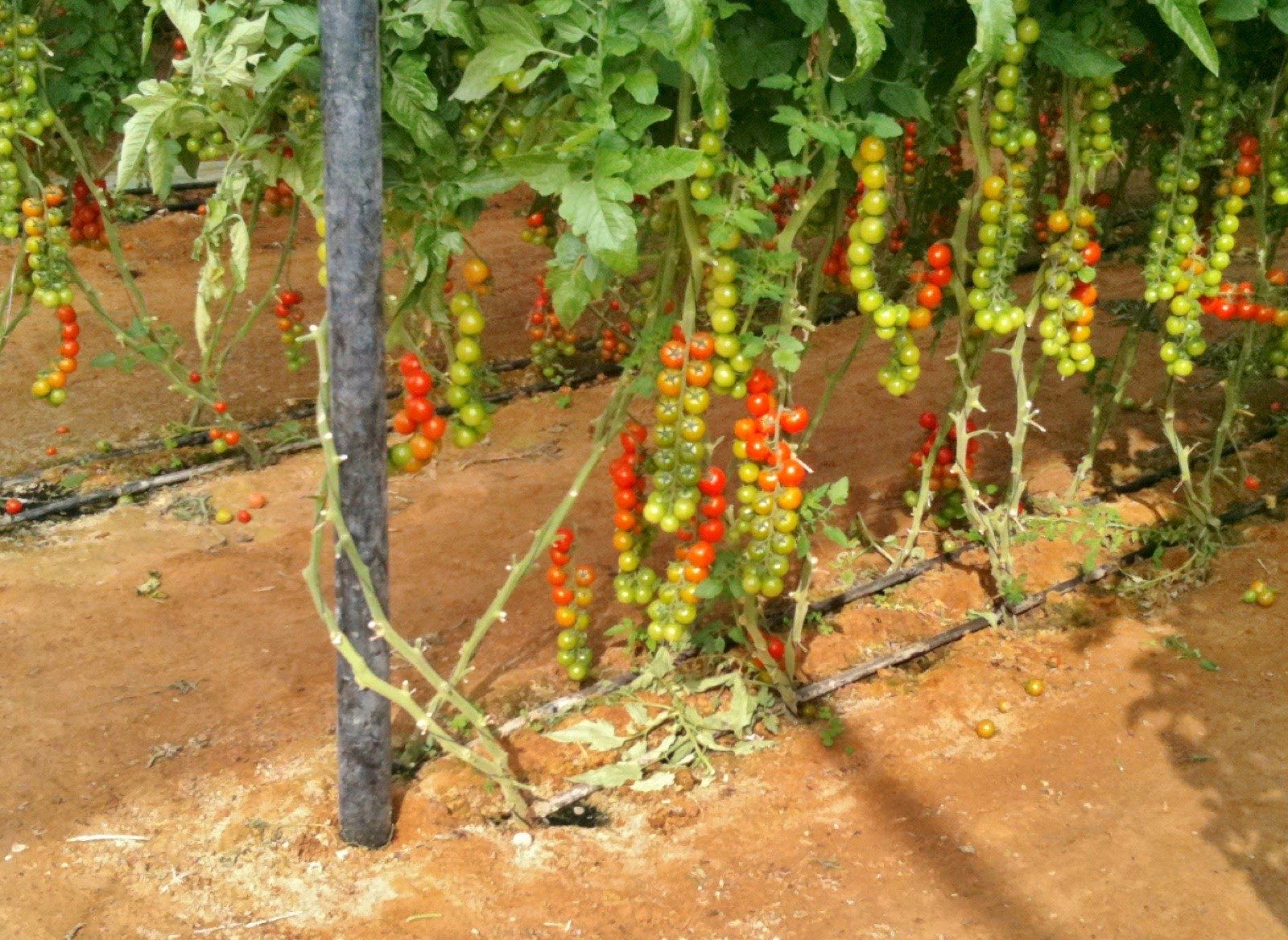
From that contract came Netafim, and a year later the world's first commercial dripper: a pipe that, instead of flooding the ground, gave each plant a few drops a day. Today Netafim operates in 110 countries.
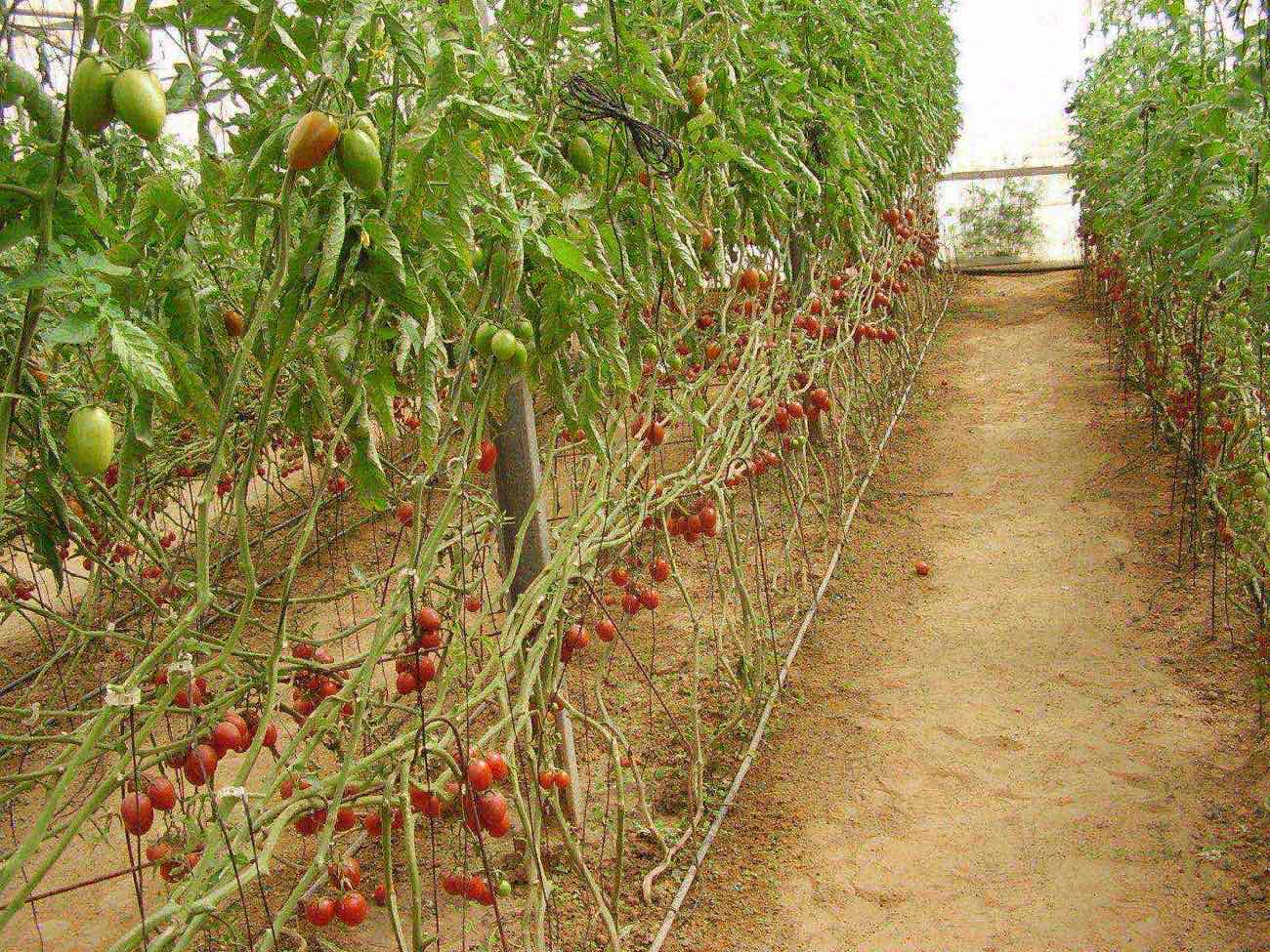
But the Negev did not stop at the dripper; it made its water live twice. Tel Aviv's wastewater is cleaned and sent south from the Shafdan plant to the Negev's fields; more than half of the desert's agriculture is watered with that recycled flow.
Israel reuses close to ninety percent of its wastewater — the highest rate in the world — and in 2022, eighty-six percent of its drinking water came from desalinating the sea. Here, scarcity was turned into surplus.
Israel's Answer to Water Scarcity
Through desalination and reuse, Israel turned scarcity into surplus — the same path that could help revive Lake Urmia.
Source: Israel Water Authority (via Fluence), Wikipedia — 2016–2022
Methodology: Israel reuses nearly 90% of its wastewater — the highest rate in the world and about four times Spain's 20% (second place) — per the Israel Water Authority, as reported by Fluence (2016) and corroborated by WaterWorld and other outlets. Separately, in 2022, 86% of Israel's drinking water came from desalination of seawater and brackish water (Wikipedia, "Water supply and sanitation in Israel"); five major plants — Ashkelon, Palmachim, Hadera, Sorek and Ashdod — supply roughly half the country's potable water, and the Sorek plant, at 624,000 m³/day, was the world's largest seawater reverse-osmosis facility when it opened in 2013 (Israel Desalination Society).
The turn
The Same Sun, Two Decisions
Two deserts under one sun. The difference was not in the clouds but in the choice: one counted every drop, the other handed a thousand-year-old river over to dams, wells and mismanagement.
And this is the bitterest part — because Iran was itself the land of water. The Persian qanat, which carries water from deep in the mountains to the plain with no pump at all, is more than two thousand five hundred years old and today sits on UNESCO's World Heritage list.
In Isfahan itself, four hundred years ago, Sheikh Bahai wrote a scroll dividing the Zayandeh-Rud fairly, drop by drop, among the villages. Iran was the teacher of water. What killed the river was not ignorance — it was rulers who squandered a two-thousand-year inheritance and turned their backs, for years, on the warnings of Iran's own experts.
And tomorrow
When Iran Is Free… Together
The dripper is no sealed secret; it is knowledge that can be learned and taught. This is not a saviour's aid to a victim — it is an exchange between two neighbours: one that tamed water for a thousand years, and one that found the newest ways.
Cyrus freed the Jews in 538 BCE; this ancient debt runs both ways. The Cyrus Accords (پیمان کوروش) could seat the engineers of two nations side by side — so that on the day Iran is free, they revive the Zayandeh-Rud and bring Lake Urmia back to life, together.
The river will return — on the day its people are free.
Sources
- 1.Al Jazeera — “Thousands protest in Iran's Isfahan to demand revival of river,” 19 Nov 2021.
- 2.Iran International — Isfahan environment chief warns of a “point of no return,” 30 Nov 2025.
- 3.CNN — “Iran's water crisis, with talk of relocating Tehran,” 1 Dec 2025.
- 4.Iran International — the collapse of Lake Urmia's water volume, 10 Aug 2025.
- 5.Wikipedia — “Water scarcity in Iran” (dam-building and mismanagement).
- 6.UNESCO World Heritage — “The Persian Qanat.”
- 7.Civilica — “History of Water Distribution in the Zayandehrood River and Sheikh Bahai's Scroll.”
- 8.Wikipedia — “Netafim” (founded 1965, Kibbutz Hatzerim).
- 9.Wikipedia — “Simcha Blass.”
- 10.Irrigation Leader Magazine — “How Kibbutz Hatzerim Helped Pioneer Drip Irrigation.”
- 11.Fluence — “Israel Leads World in Water Recycling” (close to 90%).
- 12.Jewish Virtual Library — “How Israel Used Innovation To Beat Its Water Crisis” (Shafdan and the Negev).