Every evening, on shortwave, a voice in careful Tehrani Persian opened with the same words: “here, Jerusalem.” In living rooms across Iran — curtains drawn, the volume low — people leaned in to listen. The voice belonged to Menashe Amir, born Manouchehr Sachmehchi in Tehran in 1939.
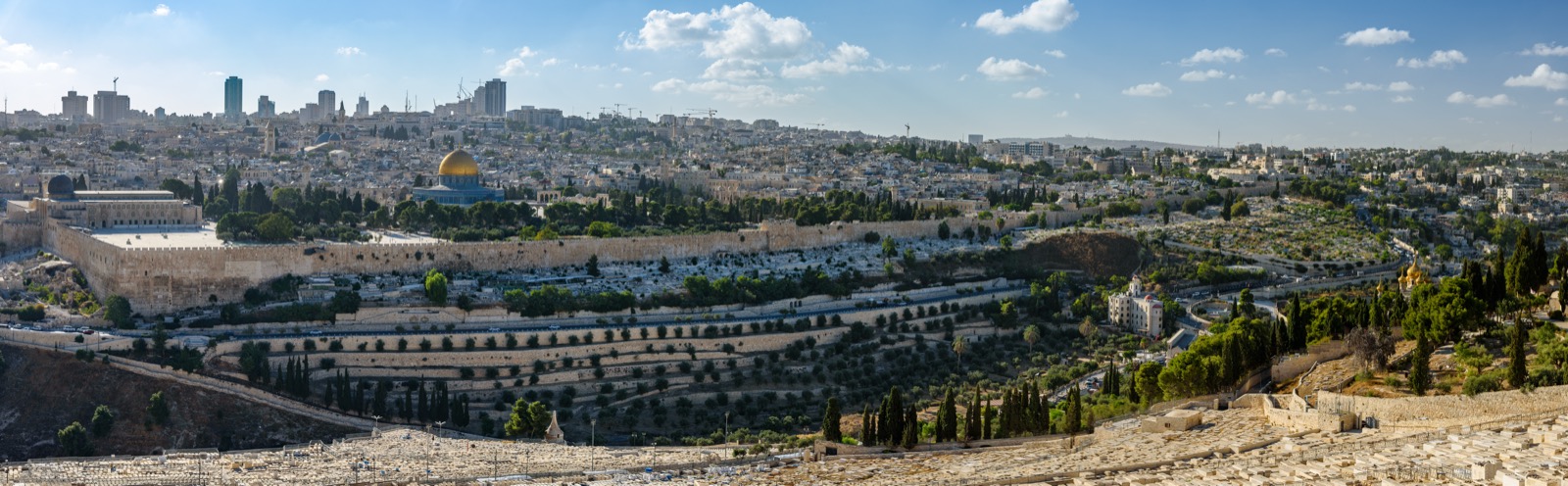
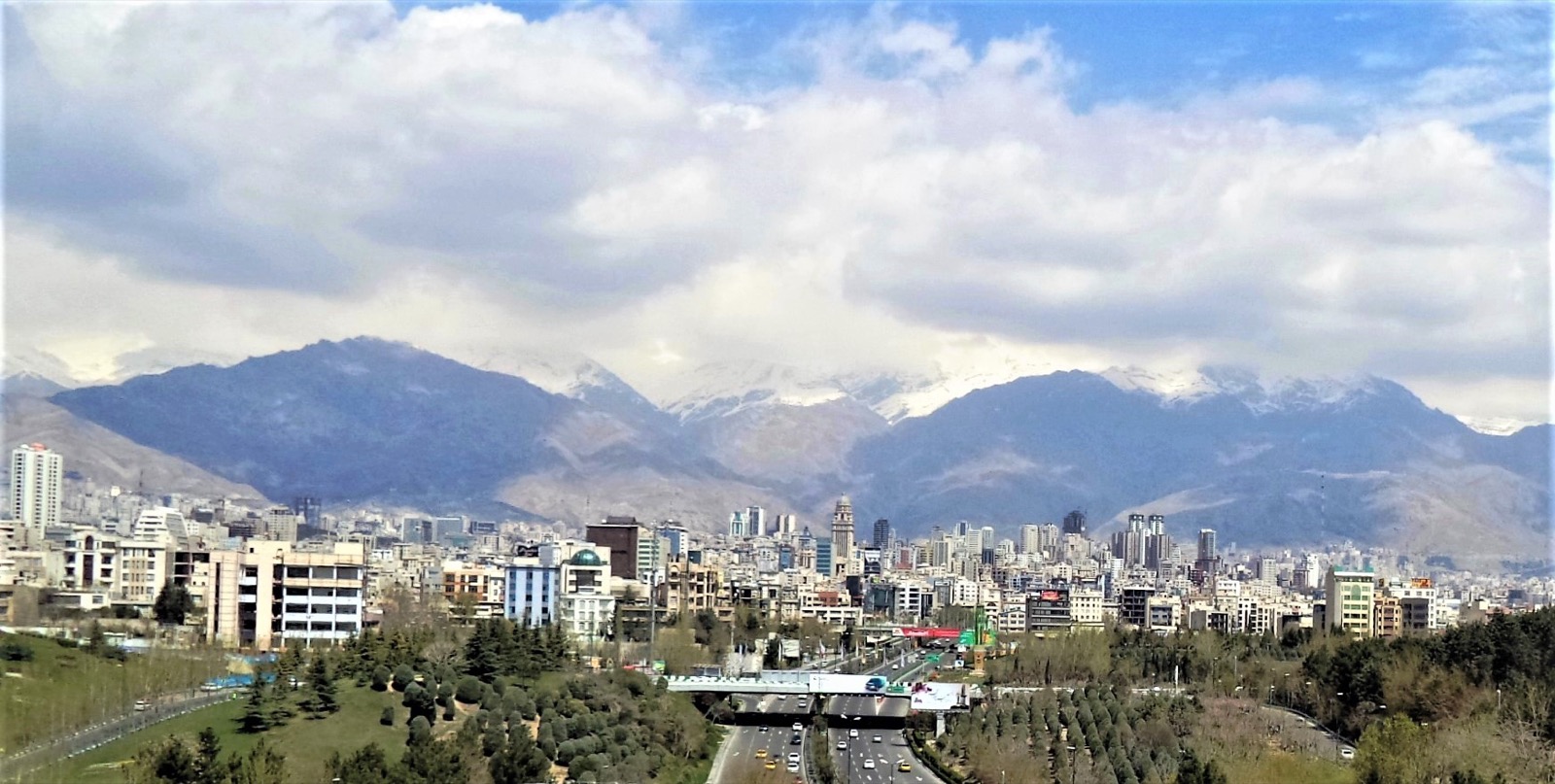
From Tehran to Jerusalem
He was born Manouchehr Sachmehchi on 27 December 1939 in Tehran, into a secular Jewish family. He entered journalism at seventeen, at the evening newspaper Kayhan.
On 19 October 1959 he made aliyah to Israel. He kept the language of the country he had left, and made it his life's instrument.
Every day after I came to Israel, I made sure to speak and write in Persian.
Here, Jerusalem
For decades, on Kol Yisrael's Persian service, Amir hosted a daily program of about an hour and a half, broadcast every evening to Iran on shortwave. It carried a call-in segment: listeners inside Iran reached the studio through a special number in Germany.
No hard audience data exists for a country where tuning in was itself a risk, but experts estimated in 2003 that up to five million Iranians listened. Recordings were copied and passed hand to hand; through the hostage crisis and the Iran–Iraq War, his was a trusted voice behind drawn curtains.
Here, Jerusalem — this is the Voice of Israel.
He Brought Iran to Yad Vashem
When Iranian president Mahmoud Ahmadinejad called the Holocaust a “myth” in 2005, Amir answered not with an argument but with a visit. He worked with Yad Vashem, Israel's Holocaust remembrance center, to deepen Iranians' understanding of the genocide.
According to Voice of America, he brought visiting Iranian Muslims based in the West to Yad Vashem — to see the record for themselves, and to counter the regime's effort to deny and diminish it. It was a builder's answer to a demagogue: not a rebuttal, but a door held open.
The Regime's Confession
After Iran's disputed 2009 presidential election, Khamenei blamed “the Zionist radio and the bad British radio” for misleading the public — words widely read as naming Amir's program on Kol Yisrael and BBC Persian. To be named by the regime was itself the measure of his reach.
In May 2017, when the Israel Broadcasting Authority shut the service down, Amir called it a mistake — and refused to fall silent, launching Radio Payam-e-Israel that December to keep the Persian reporting alive.
A foolish move by bureaucrats who didn't understand the value of Persian language reporting.
One Hundred Percent Both
For six decades a Jew of Tehran spoke to the country of his birth from the city of his return — never confusing its rulers with its people. Iran was always the friend on the other end of the line; the regime was only the static.
He belongs to the roughly 250,000 Israelis of Iranian descent — a bridge already built, of flesh and memory and language. Cyrus freed the Jews in 538 BCE; the Cyrus Accords (پیمان کوروش) would complete a 2,500-year debt that runs both ways. Amir spent his life proving it could be crossed, one broadcast at a time.
I'm 100 percent Iranian. I'm also 100 percent Israeli.
Sources
- 1.Wikipedia — “Menashe Amir.”
- 2.Jewish Journal — Tabby Refael, “Menashe Amir: The Voice of a People,” 23 July 2021.
- 3.Voice of America — “Persians of Israel: Menashe Amir (Part 2 — Fighting Holocaust Denial with Yad Vashem).”
- 4.Voice of America — “Persians of Israel: Menashe Amir (Part 1 — Israel's Farsi-speaking Voice to Iran).”